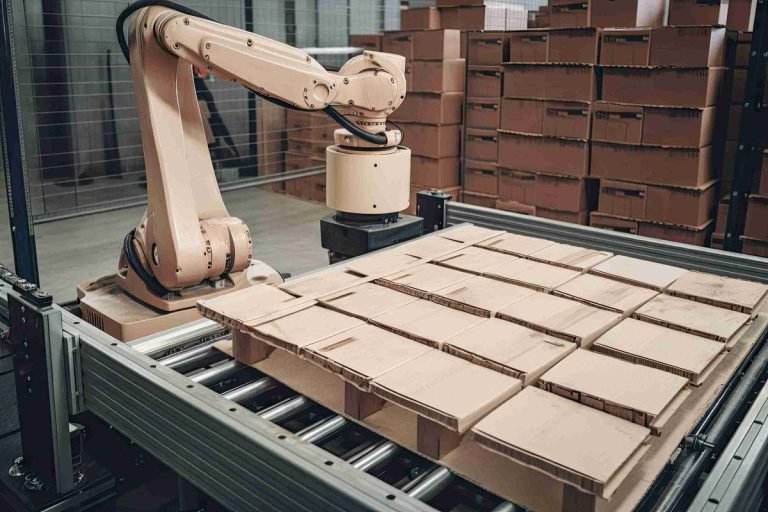
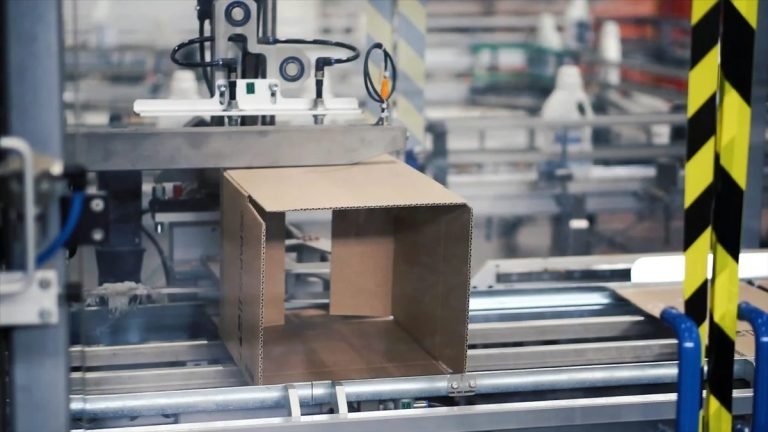
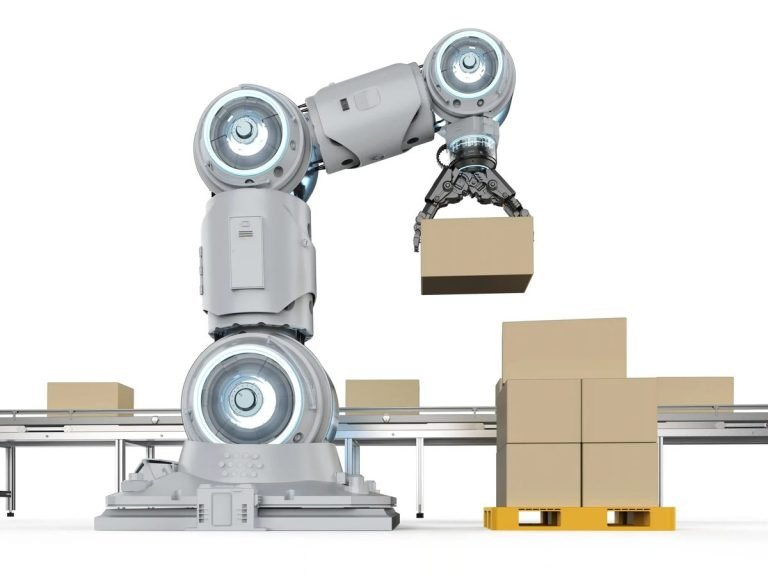
At sealing speed, a box that wanders off-centre produces crooked tape, open flaps and rejects. Dual-side belt drives exist to stop that.
This page summarises how case sealing and closing equipment is applied to why Manufacturers Prefer Automatic Carton Sealers with Precision Dual-Side Belt Drives, which settings matter most, and how to keep the machine productive.
Why the Sealing Station Matters
The sealer is the last machine every carton passes through — when it stops, the whole line stops. A correctly specified machine seals every box to the same standard at line speed, and a well-maintained one does it for years with only routine wear parts.
- Consistent seals. Tape tension and flap folding are set once and repeated.
- Fast changeovers. Width and height adjustments take minutes, not hours.
- Line stability. A reliable sealer removes the most common end-of-line bottleneck.
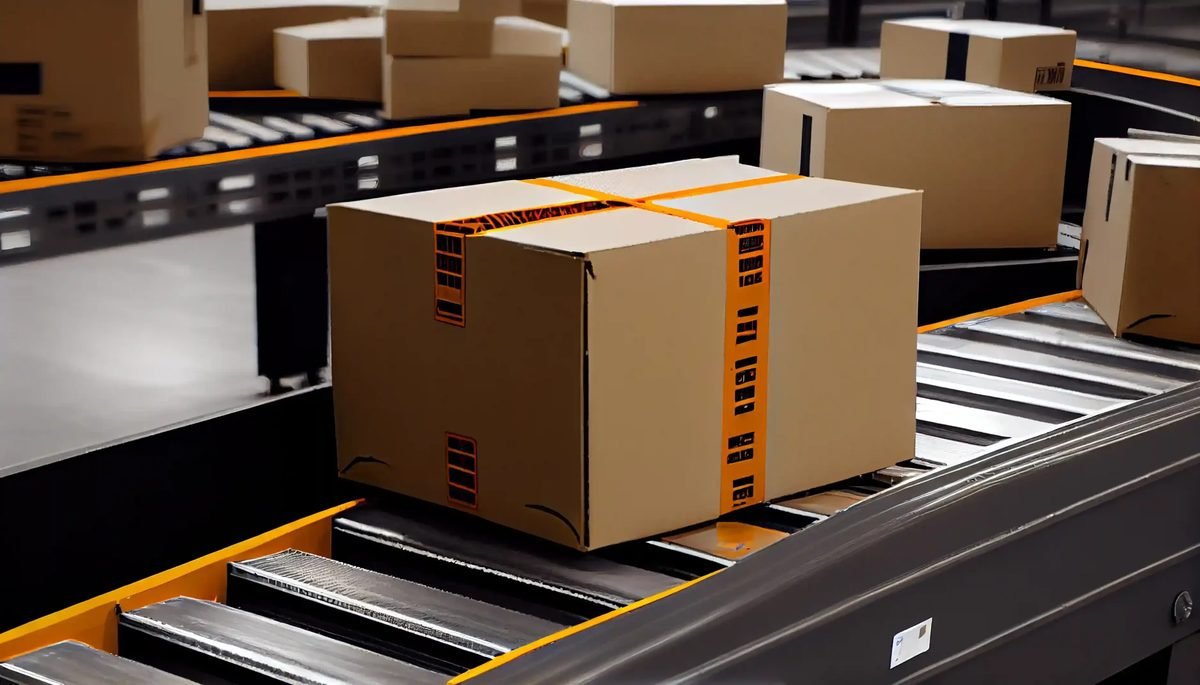
Running It Well Day to Day
Most sealing problems trace back to a handful of settings: tape tension, flap compression and box squaring. Operators who understand these three can resolve most issues in minutes. Keep the wear parts — belts, blades and rollers — on a fixed replacement schedule instead of running them to failure.
Maintenance Basics
- Daily. Clear tape residue from rollers and blades; check flap folding for box debris.
- Weekly. Inspect drive belts for wear; verify box squaring against the centre line.
- Monthly. Replace blades on schedule; lubricate per manual; re-check tension settings.
Rule of thumb
If seal quality drifts, check the box before the machine: a swollen or under-glued carton causes more “machine faults” than the machine itself.
Summary
For why Manufacturers Prefer Automatic Carton Sealers with Precision Dual-Side Belt Drives, a well-specified and well-maintained sealing station is quiet infrastructure: it rarely makes the news, and that is exactly the point. Specify it around your heaviest box and your fastest line, then keep the wear parts scheduled.
Frequently Asked Questions
It depends on line speed and tape quality, but on a two-shift line blades typically run weeks per replacement and belts months. We provide a wear-parts schedule with every machine.
Yes. Manual or automatic size adjustment covers a wide range; automatic models change size without stopping the line.
Yes — sealed boxes pass on the conveyor straight into the palletizing cell, and machine status is shared over the line PLC so the cell never waits on an unseen stoppage.